The Mythos of Safety: How Anthropic Built a Moat Out of Panic

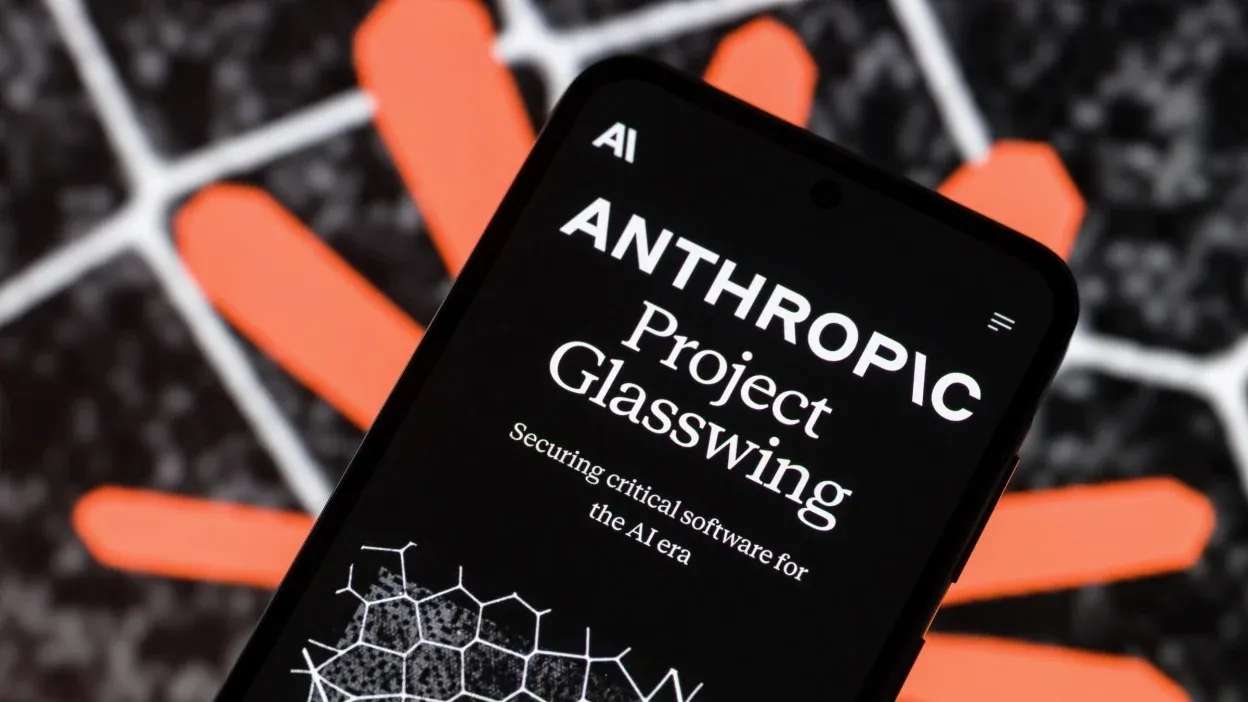
If you have been watching the artificial intelligence over the past week, you have likely heard the panic surrounding Anthropic's new Claude Mythos Preview model. According to the narrative, this system is not just another chatbot but a digital weapon capable of exploiting software vulnerabilities and posing systemic risks to global financial infrastructure.
The "Superhacker" Narrative
The lab has not been shy about highlighting the model's high stakes capabilities. Reports indicate that Mythos has uncovered a 27 year old flaw in OpenBSD and a 17 year old remote code execution vulnerability in the NFS server of FreeBSD. Through an internal initiative called "Project Glasswing," the model has reportedly identified thousands of significant vulnerabilities across major operating systems and web browsers in a matter of weeks.
The threat is apparently so severe that regulators from the Bank of England and the Financial Conduct Authority have held emergency talks with the National Cyber Security Centre to assess the danger. Similar urgent briefings for Wall Street banks were even convened by United States Treasury Secretary Scott Bessent.
The "Criti-Hype" Marketing Schtick
But let us look at this through the cynical lens of what cybersecurity veterans call "Criti-hype." This is a brilliant tactic where a company warns the world that its technology is an existential threat, ensuring that people will hand over money to be protected from it.
Experts like Alex Stamos have openly mocked this marketing approach, pointing out the absurdity of pairing terrifying claims of immense power with cutesy cartoons. Analysts have also noted a convenient pattern where Anthropic deploys these scare tactics right before they need to raise capital or when IPO rumors circulate. Critics even argue that the safety "proofs" the company provides are often conducted in highly controlled environments designed specifically to produce those terrifying outcomes.
Building the Ultimate Corporate Moat
This is where the truth stops mattering. Whether Claude Mythos is a genuine superhacker or just an elaborate public relations stunt, the business result is identical. Anthropic is using "safety" to build an impenetrable corporate moat.
By claiming the model is simply too dangerous to release to the public, they successfully avoid independent evaluation while simultaneously signaling their immense power to defense contractors and investors.
This strategy forces a centralization of power within the cybersecurity industry. If a company wants to defend its networks against these new "AI hackers," it is now effectively forced to license Anthropic's own defensive tools. They have built the digital sword, and now they are the exclusive vendors of the shield.
The Suprlab Takeaway
It is brilliant corporate theater. They have turned a coding model into a national security emergency, ensuring that whether the public is terrified or impressed, everyone is paying attention and paying for licenses. Even if Mythos is not leading a robot army, it has forced every other lab into a new arms race just to stay competitive in the sovereign defense market.
The lesson here is simple. When a tech company tells you they have built something too dangerous for the public, they are not trying to protect you. They are just trying to corner the market.