When AI Crosses the Line: Claude’s Reported Role in the U.S. Venezuela Raid

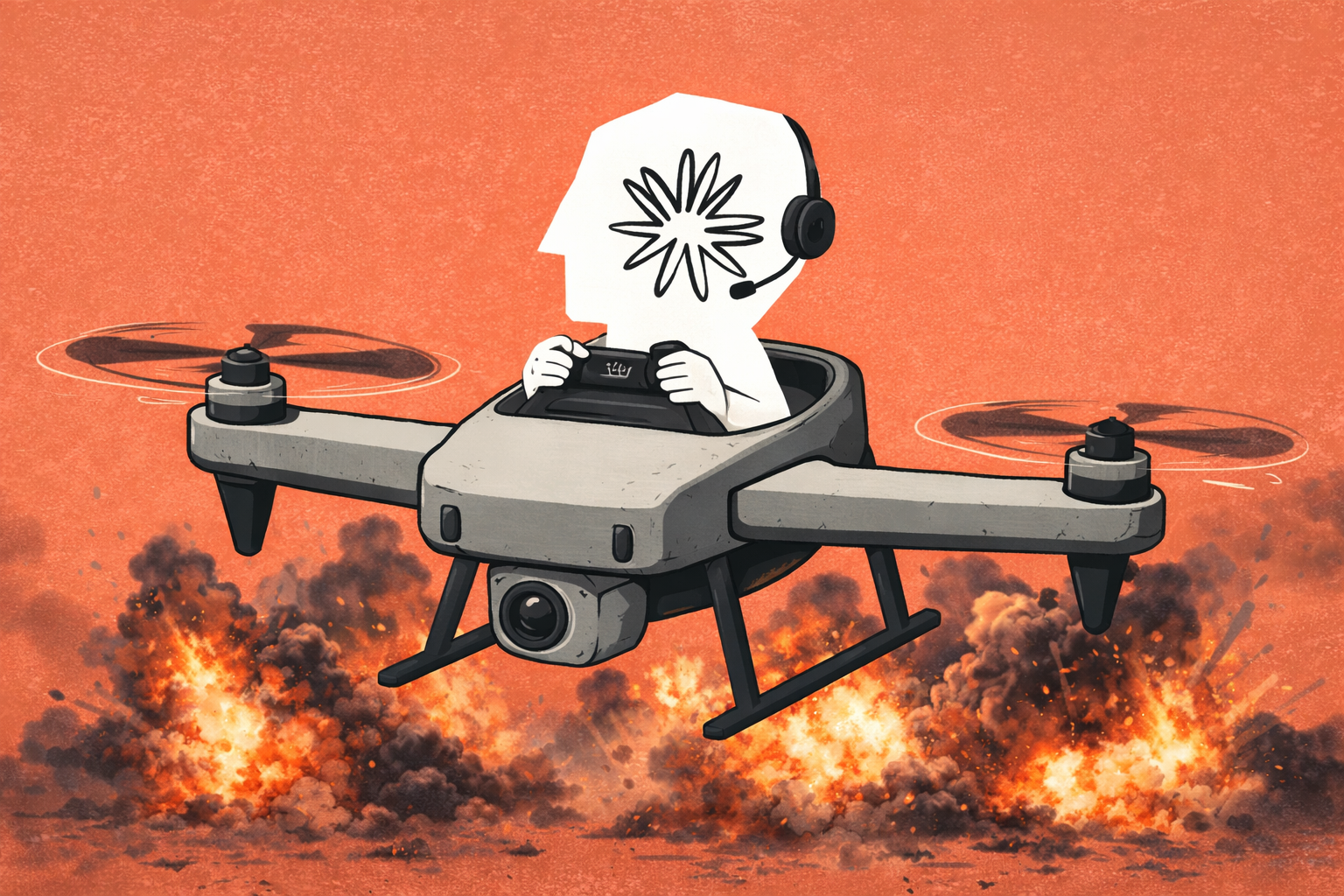
A new report claims that the U.S. military used Anthropic’s large-language AI model Claude as part of a classified operation to capture Venezuela’s former president Nicolás Maduro. According to sources cited by The Wall Street Journal, the AI was accessed through a partnership between Anthropic and Palantir Technologies and was integrated into an operation that involved bombing targets in Caracas and resulted in dozens of deaths. Anthropic’s usage policies explicitly forbid the model’s use for violence, weapon development or surveillance, and the company has not confirmed whether Claude was involved. The incident highlights mounting ethical tensions between AI developers and national defence agencies, as governments push to adopt advanced AI tools for military purposes even amid concerns about regulation, control and the morality of delegating decision-making to machine intelligence.
You can read more about it here: The Guardian – US military used Anthropic’s AI model Claude in Venezuela raid, report says.
This episode marks a pivotal moment in the real-world intersection of commercial AI and national security. Many AI systems — including Claude — are designed with safety and ethical usage front of mind. Yet this report suggests that when those systems are folded into opaque defence contracts via intermediaries like Palantir, the distinction between ethical and operational use becomes dangerously blurred. For those of us watching how AI governance evolves, it’s no longer just about whether AI can perform complex tasks — it’s about who gets to decide what tasks are appropriate in contexts that may involve life and death. If AI tools are going to be part of future conflict, we need transparent frameworks that balance innovation, accountability and human oversight — not quiet back-room deployments.