China’s Tech Domination Playbook: From EVs in Your Driveway to AI in Your Workplace

If you’ve driven through Queensland lately, you’ve seen them—Chery, Haval, GWM, and BYD EVs are everywhere. Australia isn’t alone: China now dominates 61% of the global EV market, and the numbers are only getting more lopsided.
- BYD overtook Tesla as the world’s top EV seller in 2025, shipping 2.26 million battery EVs to Tesla’s 1.64 million. In Australia, Tesla’s market share collapsed to 6.8% in January 2026, while Chinese brands claimed 8 of the top 10 EV sales spots—with the Toyota bZ4X (13th place) as the first non-Chinese model on the list.
- Price and range are the killers: Chinese EVs offer more battery for less money, a direct result of state-backed scaling. As The Driven puts it, “China EVs have more range at a lower price, no wonder they have taken the electric crown.”
- Export juggernaut: China exported 7.1 million vehicles in 2025, with EVs making up 40% of that total. For context, that’s more than Japan’s entire auto export volume.
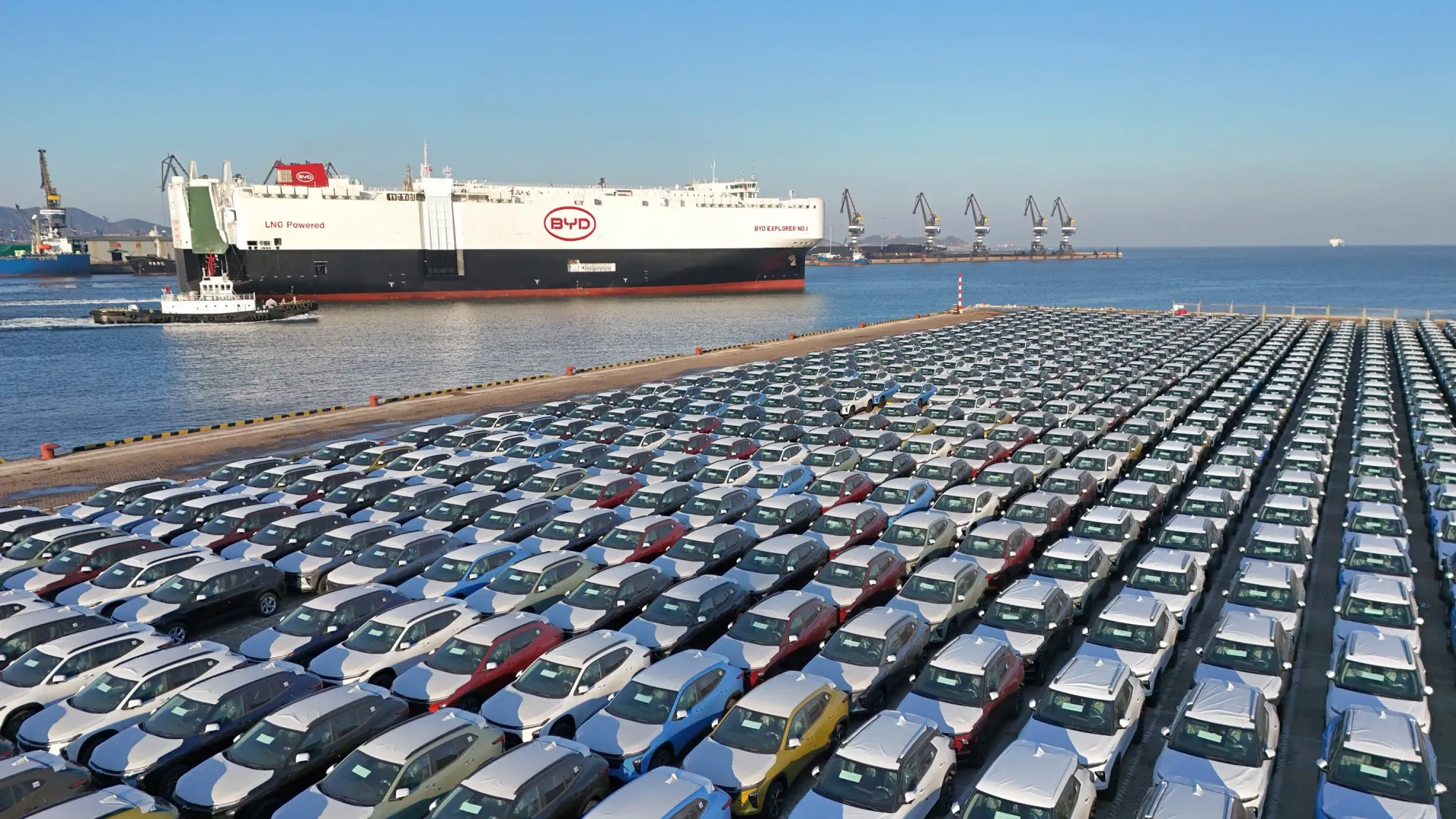
China’s EV push isn’t just about cars—it’s about controlling the supply chain for batteries, actuators, and sensors, which also feed into robotics and AI hardware. The West’s response? Tariffs and hand-wringing. As analysts warn, a flood of affordable Chinese EVs could devastate Detroit’s market share, with some arguing it would be 'game over' for the Big Three if tariffs and trade barriers fail to hold back the tide.
Robotics: The Next Front
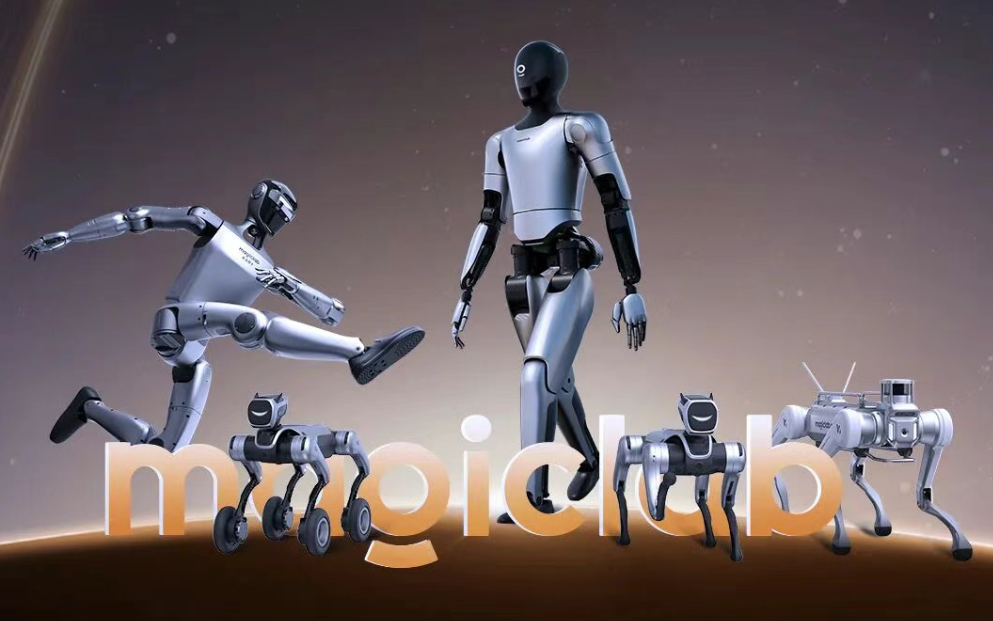
While the US debates AI ethics, China is deploying robots at scale. At CES 2026, Chinese firms dominated with humanoid robots, drone swarms, and automated logistics systems.
- 90% of the world’s humanoid robots sold in 2025 were Chinese—over 16,000 units, from family companions to industrial workers.
- “Dark factories” (fully automated, lights-out production lines) are proliferating, with 2 million+ industrial robots already in Chinese factories—five times the US total.
- Cost collapse: Hardware prices have halved thanks to EV-scale manufacturing, making robots viable for everything from elderly care to military logistics.
Key Stat:
“China controls 70% of the global lidar market and leads in harmonic reducers, controllers, and robot joints—the ‘brains’ and ‘muscles’ of automation.”—TIME, March 2026
DeepSeek and the AI Endgame
China’s AI strategy flips the Western script: open-source, cheap, and fast.
- DeepSeek’s R1 model (2025) became the most-liked AI model on Hugging Face, not because it was the best, but because it was free, transparent, and 1/6th the cost of US alternatives.
- Chip workarounds: Despite US export bans, DeepSeek trained R1 on weaker, export-grade Nvidia chips, proving that innovation can outpace sanctions. Their upcoming V4 model promises even lower costs.
- Global adoption: Western firms now default to Chinese open-source models for commercial use, especially in Southeast Asia and Africa.
The Five-Year Plan: Flying Cars, Brain Chips, and Total Tech Self-Sufficiency
China’s 15th Five-Year Plan is a blueprint for 90% AI integration across the economy by 2030—from humanoid robots in homes to AI traffic systems and flying cars.
- Self-reliance: Beijing is pouring billions into domestic semiconductors, though US chip sanctions remain a choke point.
- Workforce replacement: With an aging population, robots and AI aren’t optional—they’re economic survival. Courts have ruled against firing humans just to replace them with AI, but the long-term goal is clear: automation at scale.
Further Reading
- The Driven: Chinese EVs Dominate Australian Market (Feb 2026)
- TIME: China’s Physical AI Future (March 2026)
- ABC News: China’s Five-Year Tech Blueprint (March 2026)
- Hugging Face: DeepSeek’s Open-Source Revolution (Jan 2026)